
Hatz Plumbing Blog
Get answers to all your plumbing questions!
How to Detect a Water Leak in Cuyahoga County
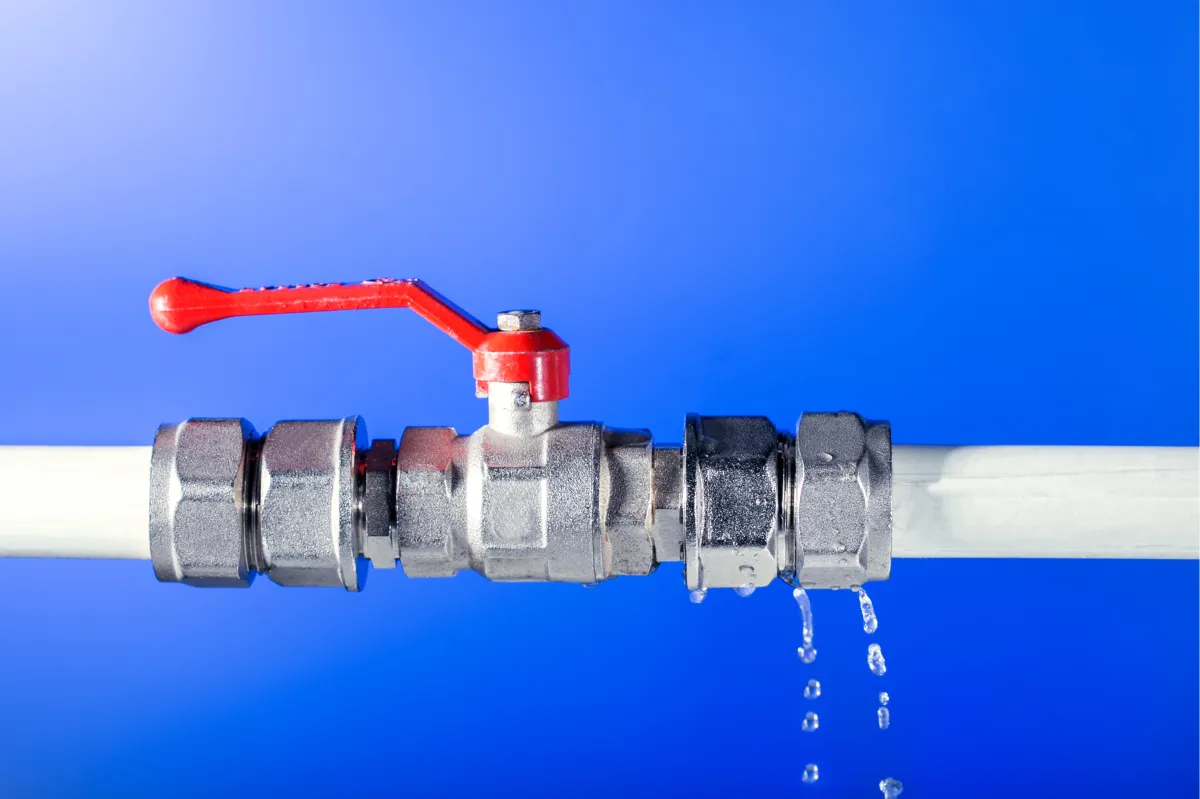
Water leaks waste water. And wasted water is bad for the environment and your wallet. As a result, stopping water leaks as fast as possible is essential for conserving water and minimizing utility bills. Even the smallest leaks can expel thousands of gallons of water a month, so we can’t ignore them for long. For these reasons, we recommend learning how to detect a water leak in Cuyahoga County. And these tips can help you check for leaks in and around your home.
How to Read Your Water Meter in Cuyahoga County
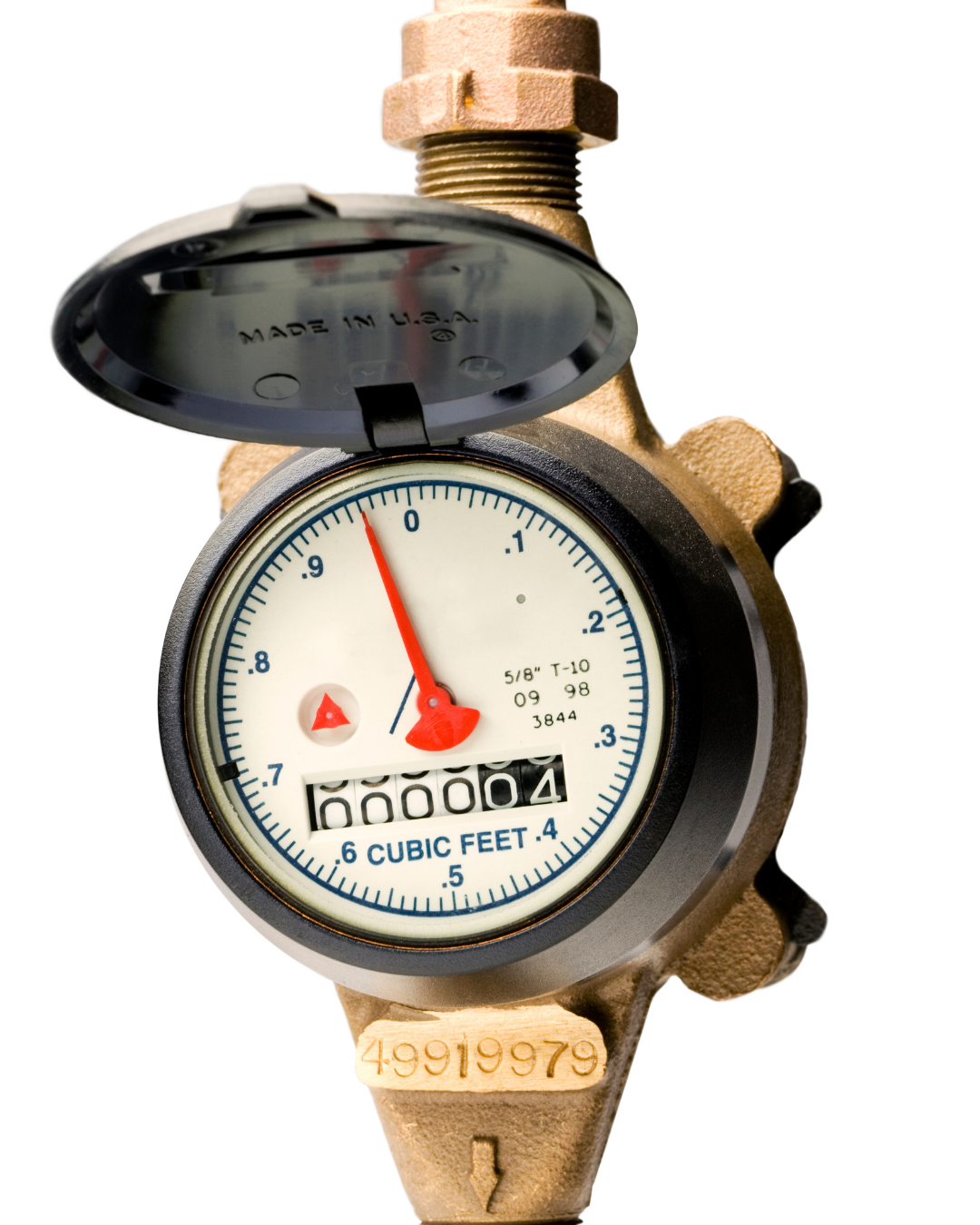
As homeowners know, a water meter tracks how much water a household uses. Therefore, learning to read a water meter enables homeowners to understand their water usage, lower their water bills, and detect water leaks.
In the Cleveland area, water meters are usually located in the basement or crawl space where the water line enters the house. These meters feature a counter with six numbers that reads like a car’s mileage indicator. The four numbers on the left record water usage in Thousand Cubic Feet (MCF). One MCF equals 7,480 gallons, and an MCF is the unit of water that appears on Cuyahoga County water bills. The two numbers on the far right aren’t included in local water bills, but they can help homeowners measure water usage.
Determining daily water usage requires reading a water meter once a day for two consecutive days. On the second day, you must subtract the first day’s reading from the second day’s reading. The answer will be in MCFs, so you must multiply the number by 7,480 to learn how many gallons of water were used in a day.
How to Shut Off Your Water in Cuyahoga County
When checking for water leaks, knowing how to shut off the water system is as important as knowing how to read a water meter. The main shut-off valve controls all the water entering a house. To reduce the damage and expenses of a leak, homeowners must know where the shut-off valve is located and how to turn it off.
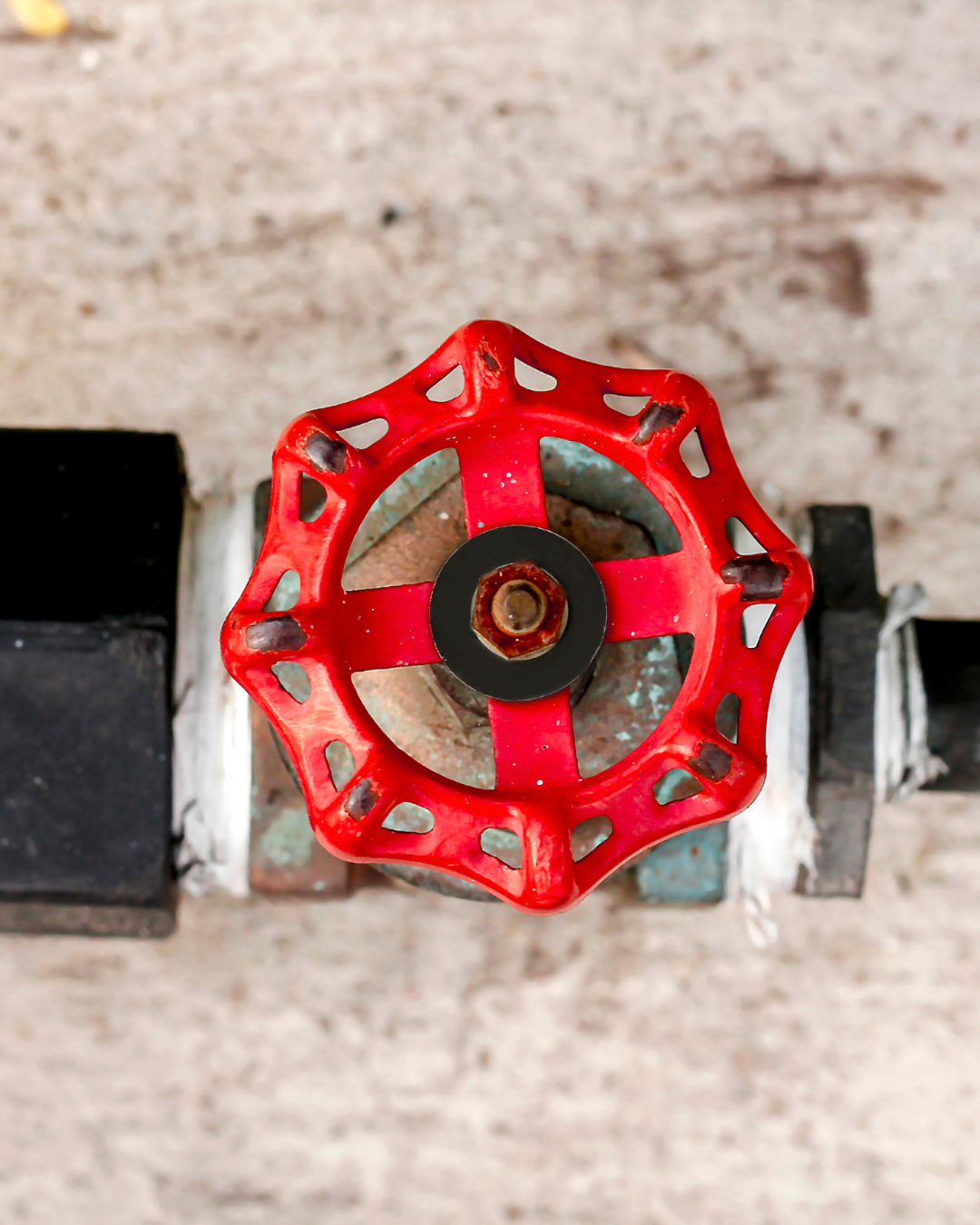
In most Cleveland-area homes, the shut-off valve is in the basement by the water meter, usually on the front side of the house where the main water line enters the home. A shut-off valve may be a ball valve or a gate valve, and testing it ensures that it works properly.
Closing a ball valve generally just requires a quarter turn. So, when a ball valve is closed, the handle will be perpendicular to the water line. When open, the handle will be parallel to the water line.
Closing a gate valve involves turning the handle clockwise. Don’t force a gate valve that doesn’t close easily. Instead, have it repaired so it closes easily.
After closing the shut-off valve, homeowners should check sinks and other fixtures to confirm the main valve is closed and working properly. To turn the water back on, slowly turn the valve until it is fully reopened.
How to Detect a Water Leak in Cuyahoga County
As mentioned, a water meter can assist in water leak detection. Near the center of a water meter display is a blue star, white triangle, or red circle-shaped test wheel. This symbol is the flow indicator; it turns whenever water is running through the water system. To use it to detect a water leak, take these steps:
Turn off all indoor and outdoor water-using appliances, such as sinks, showers, hoses, etc.
Watch the flow indicator on the water meter for five minutes to see if it turns.
If it moves when water is not in use, there is a water leak. If it does not move during that time, there isn’t a water leak.
Alternatively, follow these steps:
Turn off all indoor and outdoor water-using appliances, such as hoses, showers, sinks, etc.
Check the water meter and record its reading.
Wait two hours without using any water.
Check the water meter again. If the reading has changed, there is probably a water leak.
How to Locate a Water Leak in Cuyahoga County
If reading the water meter confirms a leak, taking these steps can help narrow down the location of the leak:
Close the house shut-off valve.
Check the water meter.
If the flow indicator moves within a few minutes, the leak is outside. Most often, an outdoor leak is in the irrigation system or the underground service line between the meter and the house.
If the flow indicator doesn’t move, the leak is inside the house. Toilets or faucets are the most likely sources.
For an outdoor leak, check the irrigation system first. Irrigation valves are susceptible to sticking open, and spigots drip. Next, check the ground above the underground service line for water or muddy spots between the meter and the house. If there are no signs of a leak, seek help from a professional plumber.
If the leak is indoors, check the toilet tanks first. To determine if the silent rubber flap is causing the leak, conduct a dye test by placing dye in the toilet tank and waiting five minutes. If the dye enters the bowl, the flapper is leaking.
If none of the toilets are leaking, inspect all other water-using appliances and fixtures.
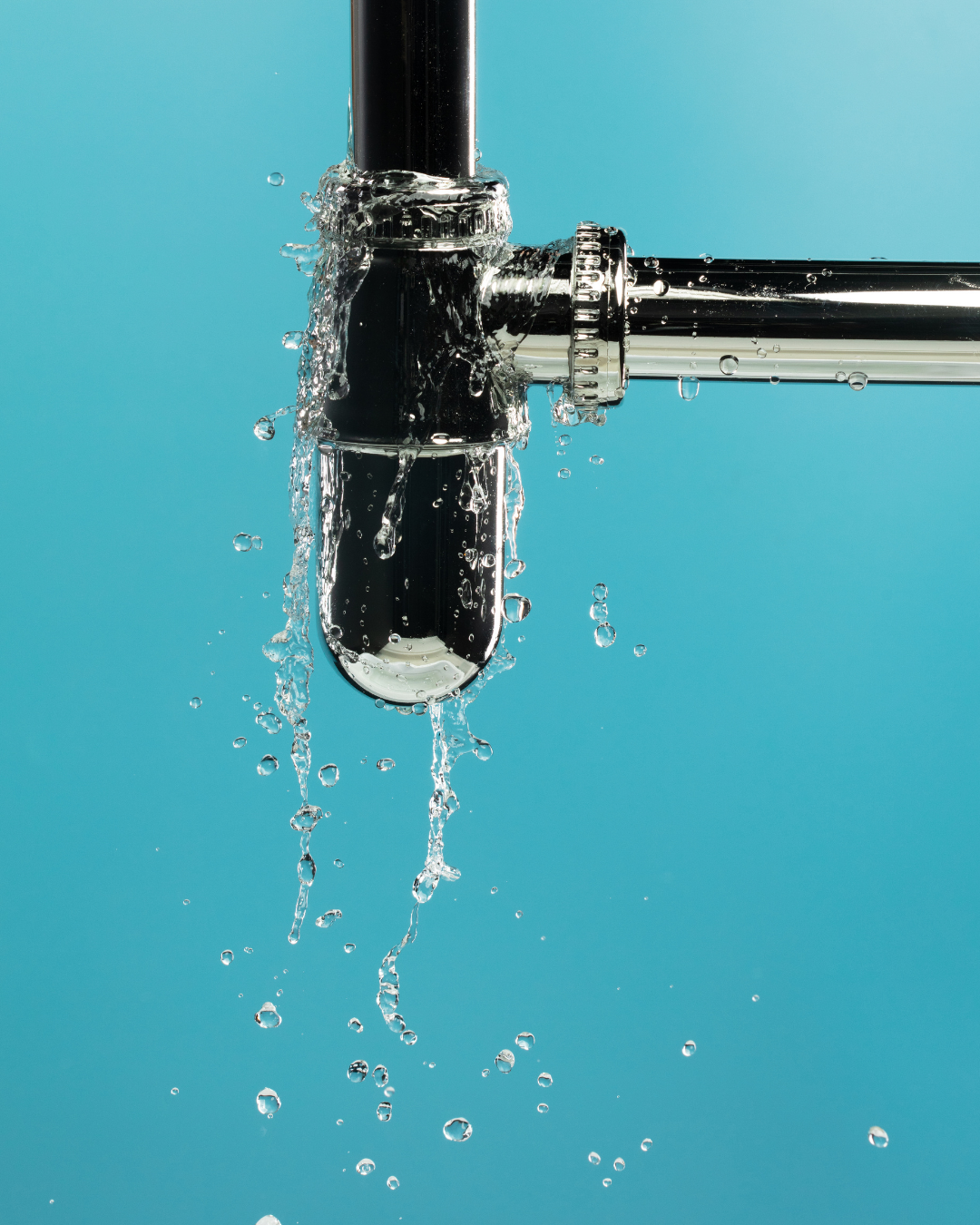
How to Fix a Water Leak in Cuyahoga County
Some common water leaks, such as broken toilet flappers and stuck irrigation valves, are easy fixes. But more complicated leaks, such as service line leaks, necessitate the help of a professional plumber.
Thankfully, Hatz Plumbing can repair any indoor or outdoor water leak. Our expert technicians will confirm the presence of a leak, find it efficiently, and fix it effectively. No matter what kind of leak it is, we can manage it. So, to stop a water leak fast, call Hatz!

Got more questions? contact Us today!

@ 2026 - Hatz Plumbing | All Rights Reserved


