
Hatz Plumbing Blog
Get answers to all your plumbing questions!
How to Detect a Natural Gas Leak
Natural gas is a great source of energy. It powers a host of appliances, including stoves, clothes dryers, furnaces, and fireplaces. But natural gas pipes and appliances can develop leaks. And natural gas leaks can be very dangerous to your family and property. So, to give yourself enough time to act, use this information to learn how to detect a natural gas leak.
Signs of a Natural Gas Leak
Natural gas is used in millions of American homes, but it is flammable. It can cause fires or poisoning. To protect yourself while enjoying the advantages of natural gas, you should know the signs of a natural gas leak. If you notice any of these signs or think you have been exposed to natural gas, call 911 immediately.
1. Rotten Egg Smell
Natural gas is naturally odorless and colorless. However, federal and state regulations require gas companies to odorize natural gas so that someone with a normal sense of smell can notice it. The odorants the gas companies use give natural gas the scent of sulphur or rotten eggs. The stronger the smell is, the greater the likelihood that you have a gas leak.
Don’t Rely On Your Nose Alone
But the absence of an odor doesn’t automatically rule out a gas leak. You may not smell a gas leak if you:
Have a diminished sense of smell
Have a common cold, sinus condition, or allergies
Use tobacco, alcohol, drugs, or certain medications
Furthermore, you may be experiencing odor fatigue, which is the normal, temporary inability to smell an odor after prolonged exposure. If you’ve smelled a rotten egg smell for some time, you may become desensitized to it.
Another reason you may not smell a natural gas leak is that other, stronger odors in your area are hiding or masking its scent.
And finally, you may not smell a natural gas leak because your natural gas is suffering from odor fade. Odor fade is the result of physical or chemical processes causing natural gas to lose its odor.
Odor fade can occur in situations such as:
The natural gas is traveling through a new steel pipe that was recently manufactured or hasn’t been used for odorized natural gas before
The natural gas piping systems use a higher gas pressure, or the natural gas flow is limited or intermittent
The natural gas is in the presence of liquids, rust, moisture, air, mill scale, cutting oil, pipe thread compound, condensates, and other substances
The design and construction of your home’s gas piping systems, such as the pipe lengths and diameters, are not conducive to natural gas odorants
For all these reasons, you should check for multiple signs of a gas leak and not assume everything is fine because you can’t smell something gross.
2. Hissing Sounds
Pipes or appliances that are leaking large amounts of natural gas may hiss or whistle even when the appliance is turned off. So, you should regularly listen for any hissing or whistling noises coming from natural gas pipes and appliances.
3. Air Bubbles
The underground piping outside your home may leak natural gas. If they do, you may see bubbles in puddles, mud, or standing water around your home. The bubbles reveal that the natural gas is dispersing through the soil and into the surrounding air.
4. Dead or dying plants
If plants inside or outside your house are dead, dying, or stunted, you may have a natural gas leak. The presence of natural gas prevents the plant’s roots from absorbing oxygen. So, if you are taking good care of your plants and they are still wilting, producing small leaves, or turning yellow, you may have a gas leak.

5. Gas Usage Spikes
If your utility bills are higher because your home’s natural gas consumption has suddenly increased, you may have a natural gas leak. If you have a gas furnace, you can expect to see seasonal fluctuations in your natural gas usage. But unexplained surges may suggest a natural gas leak somewhere on your property.
Testing for a Natural Gas Leak
Prolonged exposure to natural gas is deadly. So, you should establish safeguards to prevent such exposure. By relying on a few key resources and taking some precautions, you can know about gas leaks before they harm you.
1. Install Natural Gas and Carbon Monoxide Leak Detectors
You may not be able to smell the natural gas emitting from a slow gas leak. And if you have a diminished sense of smell, you may not be able to smell the gas from a large leak either. For these reasons, installing natural gas and carbon monoxide leak detectors is crucial.
A fast and dependable gas leak detector should alert you to any natural gas trouble in advance. And a carbon monoxide detector can warn you when an appliance isn’t burning natural gas, kerosene, or other fossil fuels properly. To be extra safe, you should install the plug-in or battery-powered Kidde carbon monoxide alarms.
2. Call Before Digging
Before beginning any landscaping or excavating projects, you should call 811 to ensure you won’t accidentally rupture any gas lines while digging. Puncturing a gas line with a shovel or heavy equipment can have serious consequences, such as major explosions.
3. Inspect Gas-powered Appliances
You should regularly assess your gas appliances to confirm that they’re working properly. Better yet, you can rely on gas piping services to check that your gas pipes are functioning effectively.
Some popular gas-powered appliances are furnaces, clothes dryers, water heaters, stoves, and generators. Most of these have a small blue pilot light with a yellow tip. If the pilot light has a yellow or orange flame, is flickering or dancing, is very small or very large, or has soot buildup, call the appliance’s manufacturer.
4. Check the Color of Your Stove Burner Flames
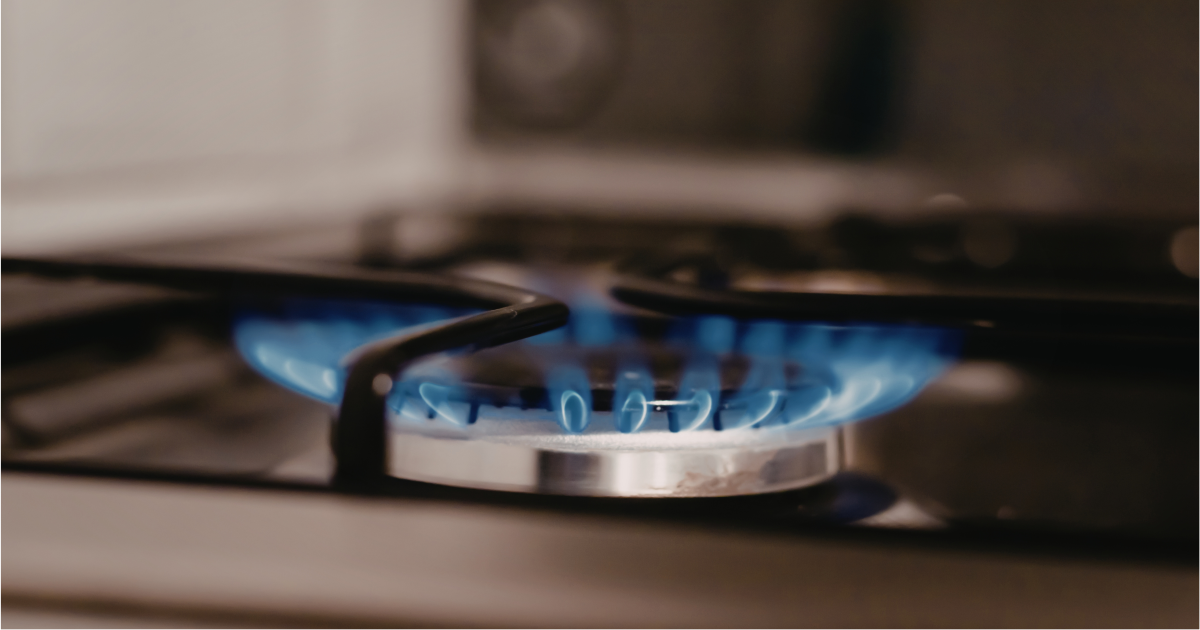
The color of your stove burners’ flames reveals if the appliance is operating normally and safely.
If you see a blue flame, your stove is clean and in good working order.
If you see an orange or yellow flame, your stove may just be dirty. Or, your stove may not be burning the fuel completely, which can lead to carbon monoxide production.
If you see a red flame, your stove is suffering from poor combustion and releasing dangerous gases. Stop using the stove immediately.
5. Try the Soapy Water Test
One easy way to locate a gas leak is with the soapy water test. Escaping gas will form bubbles. So, if you suspect a gas pipe, connection, or appliance is leaking, you can create a soapy solution to help you find the leak.
To begin, mix dish soap and water in a spray bottle or bowl. Before applying the solution, ensure that all appliance knobs are in the off position and that the main valve on your propane tank or gas supply line is turned on. Then, spray, sponge, or brush the soapy water onto the connections, including the regulator, hose, and pipe joints, or anywhere you think the leak may be.
If tiny bubbles start growing slowly, you have a small leak. If the bubbles grow rapidly into an aggressive foam, you have a large leak.
If there is a leak, turn off the gas immediately, extinguish all flames, don’t use any electricity, leave the area, and call your gas supplier or fire department.
6. Track Gas Usage Fluctuations
Another helpful indication of a gas leak is abnormally high meter readings. If you don’t have an explanation for a large fluctuation in your gas usage, you may have a gas leak. However, this method won’t uncover a gas leak if it occurs in the line before the meter.
7. Know How to Shut Off Natural Gas in Your Home
To prepare for a gas leak, you should locate your gas shutoff valve. Every home that uses natural gas has one, typically outside the house. Everyone in your household should know where the valve is and how to operate it. If you have a gas leak, cutting off the gas supply minimizes the amount of gas that escapes and exposure to it.
However, if you have a gas leak, you shouldn’t go back into your house after you shut the valve. You should call 911 and wait for help.
8. Keep Children Away from Natural Gas Sources
Practicing natural gas safety requires giving everyone the right information. You should keep small children away from natural gas sources such as stoves and heaters. Additionally, you should teach older children how to identify the distinctive odor of natural gas, recognize the symptoms of natural gas exposure, and respond if they smell natural gas in the house.
Preventing a Natural Gas Leak
No one wants a natural gas leak to jeopardize what they love. So, to give yourself the best chance at avoiding the development of a natural gas leak, you should rely on gas piping services from Hatz Plumbing. Our expert plumbers are trained and certified to repair, replace, and install natural gas lines. We’ll keep your gas piping system running smoothly and safely so you can enjoy natural gas and not fear it. For help with your gas piping, contact Hatz today!

Got more questions? contact Us today!

@ 2026 - Hatz Plumbing | All Rights Reserved


