
Hatz Plumbing Blog
Get answers to all your plumbing questions!
How to Clear a Clogged Drain
If you have a clogged drain, what can you do? Well, you can try a few simple, harmless methods to remove the clog yourself. If those don’t work, or if you don’t want to jeopardize the integrity of your sink or shower, you can use drain cleaning services. Working with a professional plumber is the best way to clear a clogged drain without injuring yourself or damaging your pipes. So, learn more about how to clear a clogged drain, then call Hatz if you still need help.
How to Clear a Clogged Drain Yourself
First, before attempting to remove the clog, wait for as much standing water to drain as possible.
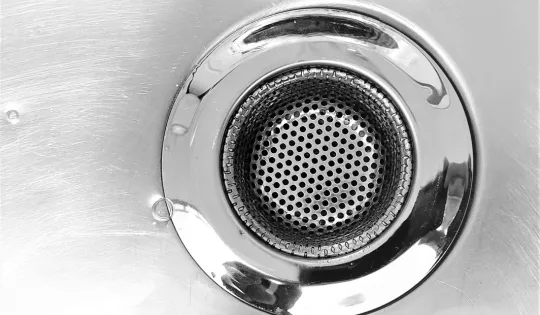
Then, remove any drain covers or sink stoppers. Removing a drain cover requires you to unscrew the screws securing it and pry it up with the screwdriver. Don’t let the screws fall down the drain! To remove a pop-up stopper, you might be able to twist it and lift it out. If not, you’ll have to remove the horizontal pivot rod, which is under the sink. Put a bucket under the rod, then free it from the vertical strap, unscrew the lever seal from the drainpipe, and pull out the rod. You should then be able to lift the stopper free. If you need to use pliers to pull out the stopper, pad the stopper so you don’t hurt the finish.
Next, you should then remove any hair and clean any product buildup on the cover or stopper, as well as the surrounding surface area of the sink and drain. Then, you should inspect the inside of the drain. Try to clear it of any loose debris, hair, and objects that may have fallen in, and clean any soap residue.
At this point, run the water to see if the clog remains. If it does, you can try the following tools or chemicals to clear your clogged drain.
How to Unclog a Tub Drain
To unclog a tub drain, you must remove the overflow plate to access the overflow line.
How to Unclog a Shower
To unclog a shower, you must remove the strainer in the shower floor to reach the clog.
After Clearing a Clog
If you triumph over the obstruction with one of the methods you find here, you should reattach the overflow plate, sink strainer, or stopper and run water through the pipe to flush any remnants of the clog.
How to Clear a Clogged Drain with a Tool
The following tools may help remove a clog from backed-up pipes:
Auger, Drain Snake, or Flat Sewer Rod
To use one of these tools, you’ll insert it into the sink, tub, or shower drain. If you encounter any bends in the pipes, you might need to twist or push the tool harder to get it through the turns. To break up multiple clogs, you may need to pull the tool out, clean it, and reinsert it into the pipe. You can pull it out for the last time when the pipe feels clear and when any remaining standing water has drained.
With the auger or drain snake, push the cable into the pipe until it encounters the blockage. Turn the handle of the auger clockwise to dig the cable tip into the clog. Then, twist, push, and pull the cable to break up the clog.
With the sewer rod, guide the rod through the pipes until it reaches the obstruction. Push the rod forward and pull it back to disassemble the clog.
Clothes Hanger
If you have any metal clothes hangers, you can straighten them out and make a hook at one end to create a DIY drain cleaner. Insert the hanger into your pipe to fish around for any obstruction that could be causing the clog.

Drain Stick
A drain stick is a long, thin plastic tool with barbs along its length. As with the previously mentioned tools, you insert a drain stick into the clogged pipe until you feel it reach the obstruction. Then, you twist the stick and push it into the blockage.
A drain stick is great for removing clogs that include hair, as the drain stick’s barbs will hook onto the hair and pull it out. Alternatively, the drain stick will break up the obstruction to the point that water can wash it away.
Plunger
Did you know you can plunge a sink like you plunge a toilet? But for sanitary reasons, you should have a separate plunger for each fixture. And a plunger with a flat-bottom cup works best on sinks, showers, and tubs.
To plunge a sink, shower, or tub, you should block any overflow openings with a wet cloth. And for a sink specifically, you should also block the drain and overflow of any adjacent basin. By blocking these openings, you help focus the force of the plunger on the blockage.
If there is no standing water around the drain, add 2-3 inches without letting it overflow, as the water will also help the plunger dislodge the obstruction. And to achieve an even tighter seal around the drain, you can coat the plunger cup rim with a thick layer of petroleum jelly.
As you would with a toilet, cover the drain hole with the plunger cup and push the handle up and down repeatedly for 15-30 seconds. Then, see if the water drains properly. Continue to plunge if the drain is still blocked or slow. After you clear the clog, run water to finish cleaning any remnants away.
P-trap Plug
The P-trap is a U-shaped drainpipe under bathroom and kitchen sinks. Sometimes, these pipes have a clean-out plug at the base of the bend. If your P-trap has such a plug, you can remove it, insert a drain stick, and push the stick around the bends in the pipe to break up any clogs in that area.
Wet & Dry Vacuum
If you own a wet and dry vacuum, you may be able to use it to suck an obstruction out of your drain. To attempt this, set the vacuum to “wet” and make a tight seal between the drain and the vacuum arm extension. Then, turn the vacuum on. If you hear it suck something up, you can turn the vacuum off and run the water. Otherwise, you can keep the vacuum on for a minute or so and then run the water to gauge the vacuum’s success.
How to Clear a Clogged Drain with Gentle Chemicals
Certain non-toxic chemicals may clear a clog from your blocked pipes.
However, these particular chemicals will not work on fat, oil, and grease (FOG) clogs. Hot water melts FOG. So, it clears the immediate clog, but in doing so, it redistributes the FOG, which creates more problems in the future.
The idea behind some of these more “natural” chemical solutions is to create pressure and degrade the clog. However, some experts believe hot water is the only effective part of these methods.
Also, boiling water can melt plastic pipes, and baking soda can corrode the surface of metallic pipes. So, note which type of pipes you have and act accordingly.
Baking Soda and Vinegar
To remove a clog with baking soda and vinegar, start by pouring hot water down the clogged drain. Then, pour equal parts (such as 1 cup each) of baking soda and vinegar (baking soda first) down the drain. Cover the drain and wait 20-30 minutes. Then, pour more hot water into the drain.

Salt-based Mixtures
Salt has abrasive and antiseptic properties, so it can scrub your pipes and absorb bacteria. Consequently, you might manage to remove your clog with one of these solutions:
Baking soda and salt: Pour equal parts of baking soda and salt down the drain, wait 20-30 minutes, and then rinse the drain with hot water.
Vinegar, salt, and lemon: Mix equal parts of salt and vinegar in a bowl before adding a half part of lemon juice. Pour the mixture into the drain and let it sit for 20-30 minutes. Follow it up with hot water.
Salt and hot water: Pour at least half a cup of salt into the drain, then pour in hot water. Wait 20-30 minutes before pouring more hot water down the drain.
How to Clear a Clogged Drain with Strong Chemicals
A few stronger, more hazardous chemicals can also clean out your clogged pipes. But when working with the chemicals listed here, you should wear rubber gloves and eye protection. You should also increase the ventilation in the room by opening a window or turning on an air filter.
Hydrogen Peroxide
To try hydrogen peroxide on your pipes, combine 1 cup of it with 1 quart of water. Pour the mixture down the clogged drain and wait 20-30 minutes.
Hydrogen peroxide can cause burns, so be very careful with it. Also, don’t use this method after attempting to remove the clog with baking soda, as these two chemicals react undesirably.
Caustic Soda (Sodium Hydroxide)
Many drain cleaners feature sodium hydroxide, so you can use it in your homemade version. To do so, mix ¾ gallons of cold water with 3 cups of caustic soda and stir with a wooden spoon. After the solution starts to fizz and heat up, pour it down your drain and leave it for 20-30 minutes. Then, follow it up with hot water.
You should know that sodium hydroxide can erode pipes and cause burns. So, proceed with caution.
Borax, Vinegar, & Salt
Borax, or sodium borate, is a multi-purpose mineral used as a household cleaner, laundry detergent, weed killer, and more. So, it might just do the trick for your congested drain. To use it, combine 1/4 cup of borax with 1/2 cup of vinegar, 1/4 cup of salt, and hot water. Pour this mixture into your clogged drain and let it sit for 1 hour.
Drain Cleaners
If you’d rather not play chemist at home, you can purchase a pre-made drain cleaner. Then, you simply follow the instructions on the packaging.
But if you don’t want to risk encountering harsh fumes or harming the earth through the water, you can enlist a more environmentally-friendly option instead.
Green Enzyme Cleaners
Green enzyme cleaners work hard without being so harmful. Their natural enzymes and beneficial bacteria digest organic waste, so they can tackle hair clogs or FOG. You can find these products in stores or online. Just follow the directions on the packaging to use.
Dish Detergent & Hot Water
If you know fat, oil, or grease has stopped up your drain, you can try washing your FOG clog away with dish detergent and hot water. Pour the detergent down the drain first, then pour in the hot water.

How to Clear a Clogged Drain with Professional Plumbers
You may find that your specific clog withers away after you drown it with one of these DIY remedies. But, if you don’t have such luck, or if you don’t want to bother in the first place, you can turn to professional drain cleaning services.
Hatz Plumbing is the face of quality because our drain cleaning services handle anything from a minor clog to a major blockage. We use the best tools and techniques to minimize damage to your drains and property while still working efficiently and effectively. Plus, we offer routine drain maintenance and emergency drain cleaning services. So, no matter what type of drain trouble you’re in, we can fix it!
Contact us today to learn more and give your drains the best care.

Got more questions? contact Us today!

@ 2026 - Hatz Plumbing | All Rights Reserved


